
iGaming Unlocked: A Real Talk Guide to Slots, Poker, and Smart Betting
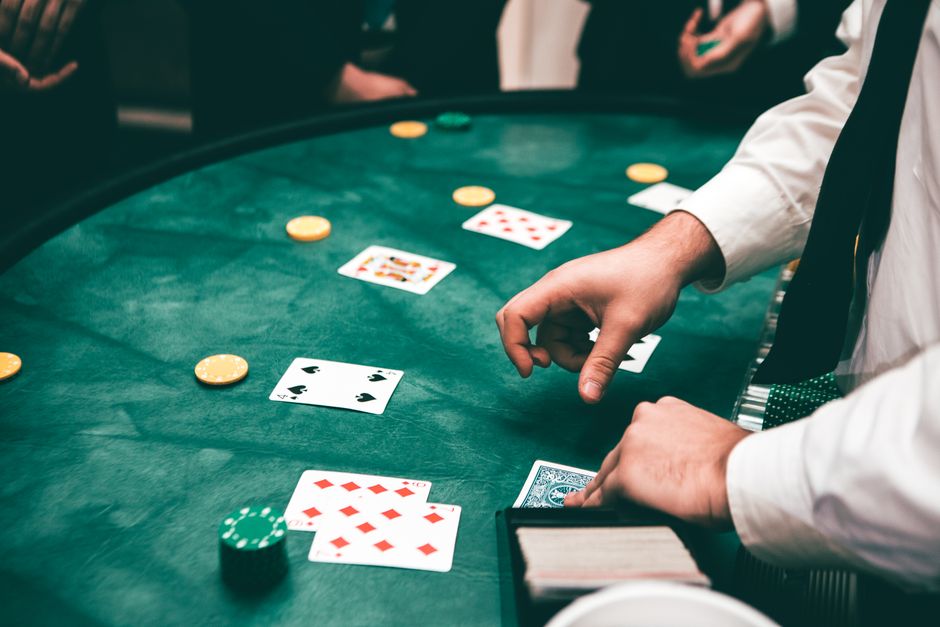
You know that feeling when you land a bonus round on a slot and the coins just keep cascading? Or when you bluff your way to a pot in poker and show a hand that makes the table groan? That's the iGaming rush—and it's not just luck. Whether you're spinning reels, grinding cash games, or betting on the weekend fixtures, there's a craft to it. This isn't another fluffy "top 10 tips" list. We're going deep into what actually separates casual players from those who last. So grab a coffee, and let's talk shop.
Slots: More Than Just Pressing Spin
I get it—slots look like pure chance. And they mostly are. But that doesn't mean you can't play smarter. The key is understanding volatility (how wild the swings are) and RTP (return to player percentage). A slot with 96% RTP pays back 96 cents for every dollar wagered over millions of spins. That 4% house edge is your ticket price for entertainment. Don't ignore it.
Here's a quick breakdown of volatility types:
- Low volatility: Frequent small wins. Great for stretching a bankroll, but boring if you're chasing a monster.
- Medium volatility: The sweet spot for most players. Balanced risk and reward.
- High volatility: Long dry spells, then life-changing hits. Think Book of Dead or Money Train 3. Only play these with a bankroll that can handle the drought.
One concrete tip: always check the max win. If a slot caps at 5,000x your stake, no matter how many scatters you hit, you won't become a millionaire on a $1 bet. Also, use free demo modes to learn the bonus mechanics before risking real money. I've seen too many players dump $200 into a slot they don't understand. Don't be that person.
Poker: The Skill Game Hiding in Plain Sight
Slots are a rollercoaster; poker is chess with cards. If you want to actually improve your odds, poker is where you can gain an edge. But here's the brutal truth: most players lose because they play too many hands and don't pay attention to position. Position is everything. Acting last gives you information. Information is power.
Let's talk bankroll management—the unsexy skill that keeps you alive. If you're playing $1/$2 no-limit hold'em, your bankroll should be at least $2,000 (that's 1,000 big blinds). Why? Because variance will punch you in the face. Even a 60% favorite loses 40% of the time. Over 100 hands, you can easily drop 20 buy-ins. Without a proper roll, you'll go broke before luck turns. See lô đề online for a side-by-side comparison.
Three practical habits that separate winners:
- Track every session. Use a simple spreadsheet or an app like Poker Bankroll Tracker. Note hours played, profit/loss, and how you felt. You'll spot leaks you didn't know existed.
- Study one concept per week. This week, focus on 3-betting ranges. Next week, check-raise flops. Small, consistent study beats binge-watching Twitch streams.
- Play fewer tables. Multi-tabling 12 tables is for pros with HUDs and years of experience. If you're learning, one or two tables max. You'll actually remember the hands.
Betting: Where Discipline Beats Gut Feeling
Sports betting is the Wild West of iGaming. The margin for error is thin, and the house doesn't need to cheat—the vig (commission) does the job. But you can still find value. The secret? Shop for lines. Different bookmakers offer different odds on the same event. A 2.10 decimal odds vs. 2.05 doesn't sound like much, but over 100 bets, that 0.05 difference is 5% of your turnover. That's your profit right there.
Also, stop betting on your favorite team. Emotional betting is a leak. I'm a die-hard Liverpool fan, but I refuse to put money on them unless the stats scream value. Instead, look for market inefficiencies: injuries, weather, travel schedules, and even referee tendencies. For example, some referees award 30% more penalties than others. That's a data point you can exploit.
Another pro tip: specialize. Don't bet on everything. Pick one league, one sport, or even one type of bet (like over/under goals). Become an expert in that niche. You'll spot patterns that casual bettors miss.
The Psychology of iGaming: Your Brain Is the Biggest Variable
Let's get real. The house doesn't need to rig the games when your own dopamine system works against you. Near-misses on slots, bad beats in poker, and last-minute goals that kill your bet—all trigger the same reward pathways as actual wins. That's why you keep playing. It's not a character flaw; it's biology.
How to fight back:
- Set loss limits before you start. Not after you've lost three buy-ins. Most regulated casinos let you set daily, weekly, or monthly limits. Use them.
- Take breaks every 45 minutes. Set a timer. Stand up, walk around, drink water. Fatigue makes you chase losses.
- Never play to "win back" money. That's the sunk cost fallacy in action. The money is gone. The next hand is a fresh decision.
I once watched a friend turn a $50 slot session into a $400 win, then lose it all in 20 minutes because he couldn't stop. He wasn't unlucky; he was undisciplined. Don't be him.
Choosing the Right Platform: License, Speed, and Support
Not all iGaming sites are created equal. Before you deposit a cent, check three things:
- License. Is it regulated by a reputable authority like the UKGC, MGA, or Gibraltar? If not, walk away. No license means no recourse if they vanish with your balance.
- Withdrawal speed. Read user reviews. A site that takes 7 days to pay is a red flag. Top-tier casinos process e-wallets in under 24 hours.
- Support. Test their live chat before you deposit. Ask a simple question. If they take 10 minutes to respond, imagine a real problem.
Also, look for transparent bonus terms. That 200% match bonus might come with 50x wagering on slots and 10x on blackjack. Do the math: a $100 bonus with 50x wagering means you need to bet $5,000 before withdrawing. That's not a bonus; that's a leash.
Final Thoughts: Play the Long Game
iGaming is entertainment, not a retirement plan. The moment you treat it as a job, you've already lost the plot. The players who enjoy it most are the ones who set strict budgets, study their chosen game, and walk away when it stops being fun. Slots are a thrill ride—buy the ticket, enjoy the spin, but don't mortgage the house. Poker is a skill game—treat it like a marathon, not a sprint. Betting is a math problem—trust the numbers, not your gut.
So next time you log in, ask yourself: am I playing to win, or am I playing to escape? If it's the latter, take a break. The tables aren't going anywhere. And when you do play, play smart. The house always has an edge—but that doesn't mean you have to hand it to them on a silver platter.


Discover how guided attention to trees, air and light can lower tension and support emotional balance in daily life.
Plan gentle jobs month by month, from planting and pruning to resting, so your wood stays healthy without rush.
Choose the right spot, line and native plants to attract frogs, dragonflies and birds without harming existing trees.
Try making a spatula, mallet or stool using freshly cut timber and a few hand tools, with safety advice included.