
Create a Wildlife Pond in a Shady Woodland Garden
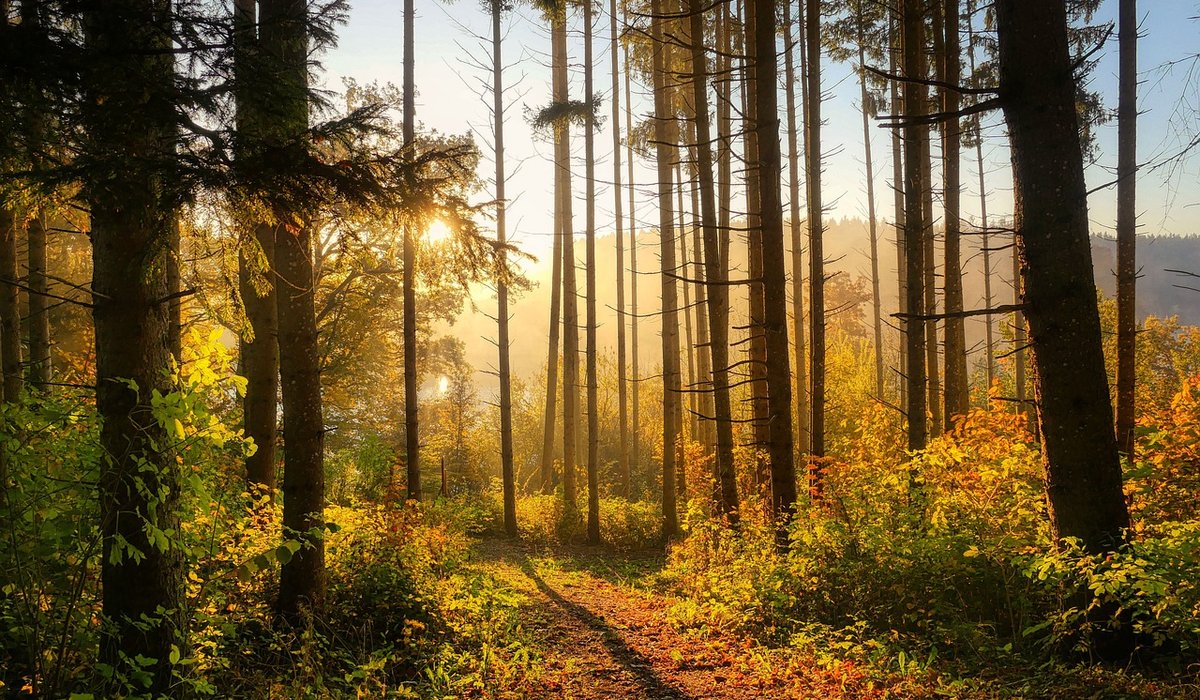
There is a particular stillness that settles over a coppiced woodland in early summer. The hazel stools are thick with new growth, the bluebells have gone over, and the light filters down in soft, green ribbons. Adding a pond to this shady, well-established garden might seem counterintuitive — surely ponds need sun? — but a woodland pool is one of the most rewarding and wildlife-rich features you can create. It also happens to be a powerful anchor for wellbeing, a place to sit and watch frogs, dragonflies and birds while the coppice cycle quietly continues around you.
Why a Shady Woodland Pond Works
Traditional coppicing creates a mosaic of light and shade. When you cut a stool, sunlight reaches the woodland floor for a few years before the canopy closes again. A pond placed in a dappled glade or on the edge of a coupe will receive enough light to support native plants without overheating or evaporating too quickly. Shade also slows algal growth, which is a blessing in small gardens. More importantly, a pond in a coppiced setting mimics the natural woodland pools that frogs, newts and dragonflies have evolved to use. The surrounding leaf litter and deadwood provide habitat for the invertebrates that feed everything else. For you, the pond becomes a focal point for quiet observation — a reason to stop, breathe and notice the seasons shifting.
Choosing the Right Spot Without Harming Trees
The golden rule is to keep excavation away from the root protection areas of mature trees. As a rough guide, stay outside a circle whose radius equals the canopy spread, or at least three metres from the trunk of a coppiced stool. Tree roots are surprisingly shallow in woodland soils, and severing a major root can destabilise an ancient oak or kill a hazel stool. Look for a natural hollow or a clearing where the ground is already damp. Avoid low spots that collect leaf fall from overhanging branches — too much rotting leaf litter will sour the water. A site that gets two to four hours of direct sun, preferably in the morning, is ideal. If your only option is deep shade, consider a small pond of one to two square metres; it will still attract frogs and birds, though dragonflies may be scarcer.
- Check for existing roots: probe gently with a hand fork before digging.
- Work by hand: avoid machinery that compacts soil around trees.
- Leave a wild edge: let fallen leaves and coppiced brash pile up nearby as habitat.
Lining and Construction in a Woodland Setting
Butyl rubber liner is the most reliable choice for a small woodland pond, though puddled clay is a traditional alternative if you have heavy soil and patience. Whichever you use, protect the liner with a geotextile underlay — old carpet or thick fleece works well. Dig a shape with shallow shelves (20–30 cm deep) around the edge and a deeper central section (45–60 cm) so wildlife can overwinter below the frost line. In a coppiced wood, you can edge the pond with woven hazel or willow rods cut from your own stools. This looks beautiful, blends into the woodland, and provides perches for dragonflies. Do not use timber that has been treated with preservatives near the water. Once the liner is in, fill with rainwater if possible; tap water contains nutrients that encourage algae.
Native Plants for Shade and Coppice Products
Choose native plants that tolerate shade and root competition. Around the margins, plant marsh marigold, water forget-me-not, ragged robin and meadowsweet. In shallow water, add water mint, brooklime and lesser spearwort. For structure, use soft rush, wood sedge and ferns such as royal fern or lady fern. Avoid invasive non-natives like Australian swamp stonecrop. If you coppice hazel or willow nearby, you can use the cut rods to create plant supports, a small hurdle fence or a dipping platform. This closes the loop: the woodland gives you materials, the pond gives you wildlife, and you give back a little management.
- Floating-leaved plants: frogbit or broad-leaved pondweed (native, not the invasive curly waterweed).
- Oxygenators: hornwort or water starwort — good in shade.
- Edges: leave logs and stones for frogs to bask and hide.
Attracting Frogs, Dragonflies and Birds
Frogs will find a new pond within a season if there is cover nearby. Leave a shallow ramp of stones or coppiced branches so they can climb in and out. Dragonflies need emergent plants for laying eggs and perching; the woven hazel edge is perfect. Birds such as song thrushes, blackbirds and even woodcock will visit to bathe and drink, especially if you keep a muddy shallow edge. Never introduce fish — they eat tadpoles and dragonfly larvae. Also avoid goldfish, which cloud the water. If you want to encourage newts, add a few broken clay pots or coppiced hollows on the pond bottom as hiding places.
A Place to Sit and Breathe
The real gift of a woodland pond is the excuse it gives you to stop. Coppicing is an active, rhythmic tradition — cutting, sorting, stacking — but the pond asks for stillness. Place a simple bench made from coppiced hazel rods a few metres back, where you can watch without disturbing the wildlife. Visit at dusk in spring to hear frogs calling, or on a still morning in July to see dragonflies emerging. Over years, you will notice how the coppice cycle changes the light on the water, how leaf fall feeds the invertebrates, how the pond slowly becomes part of the wood. That quiet attention is woodland wellbeing in its truest form: not a retreat from nature, but a working relationship with it.


Begin with light, movement and a warm drink before screens, then step outside to notice the changing season.
Learn the key rules, reliable identification tips and sustainable harvesting methods before picking any wild food for the first time.
Turn small branches and bark into practical mulch, edging or path surfacing that improves soil and suppresses weeds.
Pair your steps with counted breaths, grounding pauses and gentle observation to calm a busy mind outdoors in any season.