
A Beginner's Guide to Mindful Woodland Walking
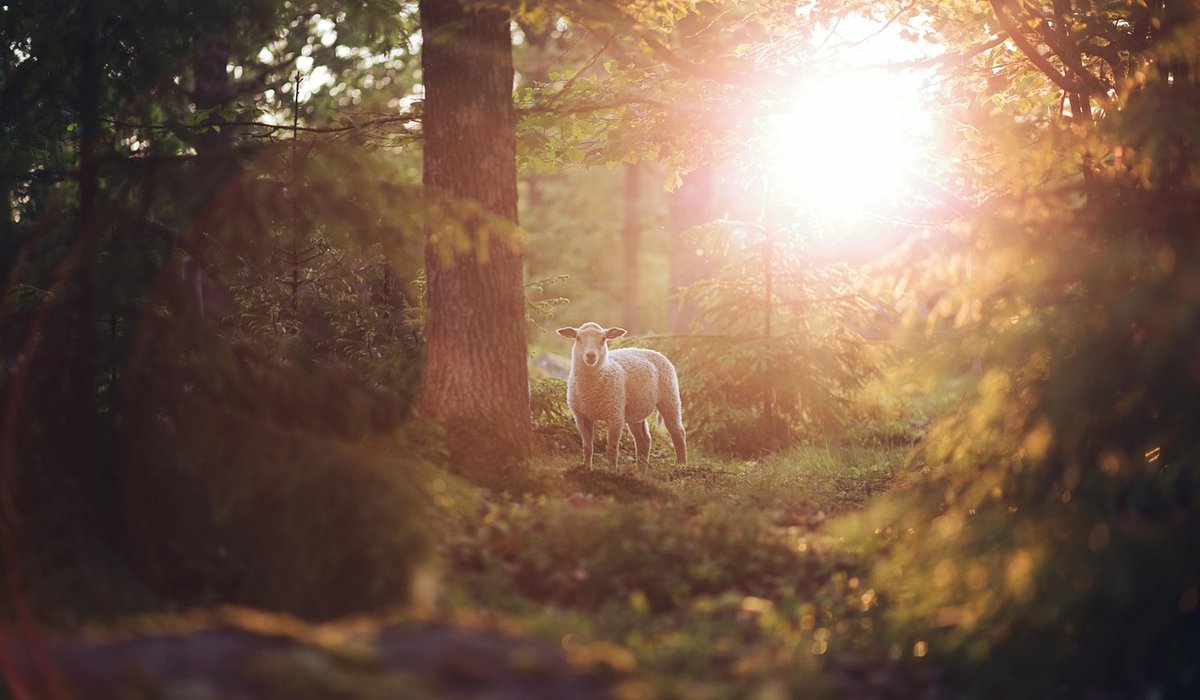
Why a wood invites a slower pace
A woodland is not a backdrop for a walk; it is a living place with its own tempo. Mindful woodland walking means trading distance for detail. Instead of counting miles, you count textures, sounds, and breaths. Fifteen minutes of this kind of attention can feel more restorative than an hour of brisk striding. Traditional coppicing has shaped many British woods for centuries, creating a mosaic of light and shade, young growth and old timber. That mosaic is good for wildlife, and good for us too. When you walk through a coppiced wood, you are moving through a cycle of cutting and regrowth that asks you to notice change rather than rush past it.
Before you set off: simple preparation
Choose a small wood you can reach easily — a community woodland, a local nature reserve, or a quiet corner of a larger forest. Check access and seasonal restrictions, and stay on public paths or permissive routes. Permission matters: not all woods are open to walkers, and coppice workers may be active. Wear quiet, comfortable clothing and footwear with grip; British paths can be muddy, rooty, and slick with leaves. Put your phone on silent, or leave it in your bag. Tell someone where you are going and when you expect to be back. Carry water and a waterproof layer.
- Aim for a short route: 400–800 metres is plenty.
- Plan for 20–40 minutes, including pauses.
- Set a gentle intention, such as "I will notice three textures and two sounds."
- Begin at a gateway or ride. Pause for five breaths before stepping in.
The first ten minutes: pace and breath
Start by walking at about half your normal speed. Let your steps shorten. Feel the ground through your soles: leaf litter, compacted earth, roots, perhaps a boardwalk. On a wide ride, keep to one side so others can pass. Breathing is your anchor. Try breathing in for four steps and out for six. If that feels forced, simply notice the breath as it is — cool air at the nostrils, the rise and fall of your ribs. When your mind wanders to your to-do list, name it quietly as "thinking" and return to the next footfall. That returning is the practice, not a failure.
Noticing textures, sounds and light
Woods reward close attention. Run your fingers lightly over bark — smooth beech, creviced oak, peeling birch — but avoid disturbing moss, lichen, or wildlife. Look at coppice stools: the cut stumps from which many thin stems regrow. Hazel stools are often grey-brown and knobbly, with clusters of straight rods. Sweet chestnut may have thicker, more furrowed stools. Notice the understory: bramble, honeysuckle, bluebell leaves in spring, bracken in summer. Sound is different here too: wind moving through leaves in layers, creaking branches, the tap of a woodpecker, a wren's alarm call. Try standing still with your eyes closed for one minute — only if it feels safe — and let your hearing widen. Light is the other pleasure: dappled shade, sunflecks on a path, the glow of new leaves in May. Smells matter as well: damp earth after rain, crushed pine, wild garlic in early summer.
Reading a coppiced wood with mindful attention
Traditional coppicing is one of the oldest forms of woodland management in Britain. It involves cutting stems near ground level on a rotation, usually every 7 to 20 years depending on the species. Hazel is often cut on a 7–10 year cycle, sweet chestnut on a 12–20 year cycle, and willow every 3–5 years. The cut stools regrow, sending up many straight poles. A few trees, called standards, are left to grow taller for timber. This cycle creates a shifting patchwork: after cutting, sunlight reaches the floor and flowers and butterflies flourish; as regrowth thickens, shade-loving species return. For a mindful walker, this is a lesson in patience and renewal. You might notice cut stems, brash piles left for wildlife, old woodbanks and rides. Look for signs of deer browsing, badger tracks, or a pearl-bordered fritillary in a sunny glade. You do not need to identify everything. Simply noticing that this wood is cared for, and that its care follows a long rhythm, can soften the urgency you brought with you.
Ending the walk gently
Before you leave, pause at the edge again. Sit on a log or bench if there is one. Take five slow breaths and let your eyes rest on something small: a leaf, a stone, a patch of moss. Ask what you noticed most — a sound, a colour, a feeling in your body. Then walk the last few minutes in silence, carrying that attention with you. At home, repeat a shorter version in any green space: three minutes of slow walking, six breaths, one texture. A weekly woodland walk, done this way, becomes a reliable anchor. Return to the same coppiced wood through the seasons and you will see the cycle continue — cut, regrow, thin, cut again — and perhaps feel your own rhythms settle alongside it.


Plan gentle jobs month by month, from planting and pruning to resting, so your wood stays healthy without rush.
Choose the right spot, line and native plants to attract frogs, dragonflies and birds without harming existing trees.
Try making a spatula, mallet or stool using freshly cut timber and a few hand tools, with safety advice included.
Begin with light, movement and a warm drink before screens, then step outside to notice the changing season.