
Why Forest Bathing Helps Reduce Everyday Stress
What Forest Bathing Really Means
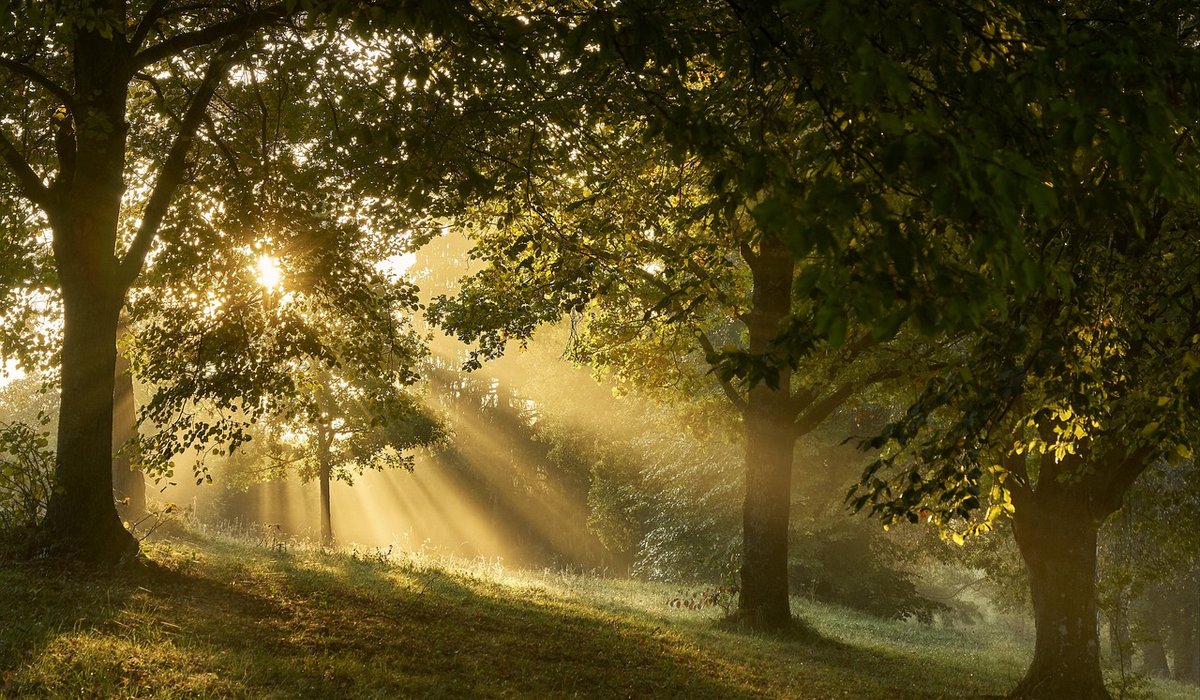
Forest bathing — shinrin-yoku in Japanese — is not a hike, a workout or a route march to a viewpoint. It is a slow, deliberate practice of letting the woodland reach you through your senses. Developed in Japan in the 1980s and now used there as a form of preventive healthcare, it translates easily to a British lunch break, a weekend wander or a quiet hour before the school run. The aim is not to cover ground but to notice it: the shift of light through a canopy, the cool of shade on your forearms, the smell of damp leaf litter after rain.
You do not need special kit, a guide or a particular kind of wood. You need to arrive, slow down and give your attention to what is actually there. That sounds simple, and it is — but it is not always easy when your head is full of deadlines and to-do lists.
What Happens in Your Body When You Slow Down
When you move through woodland at an unhurried pace, several things happen at once. Your breathing lengthens, which nudges the parasympathetic nervous system — the rest and digest branch — into gear. Your gaze softens; instead of fixating on a screen or a task, your eyes rest on mid-distance shapes and gentle movement. Studies of forest environments have found lower levels of cortisol, the stress hormone, and reduced blood pressure and heart rate after time among trees. You do not need to understand the biology for it to work, but knowing why it works can help you trust the process and return to it.
Trees also release airborne compounds called phytoncides, part of their own defences against pests and disease. Breathing them in may support the activity of natural killer cells, a type of white blood cell involved in immune response. The evidence is still developing, but the practical point is straightforward: being among trees is different from being among buildings, and your body registers the difference.
Why Traditionally Coppiced Woods Feel So Restorative
Traditional coppicing — cutting certain trees close to ground level on a rotation so they regrow — produces a woodland with a rare quality of light. Hazel, ash, sweet chestnut and willow are cut in sections, or coupes, and each stage of regrowth creates something different: a flooded, sunlit clearing in the first summer; a dense thicket of tall stems a few years later; mottled shade beneath a canopy of mature standard trees overhead.
For wellbeing, this matters. Coppiced woodland is structurally rich: dappled light, varied heights, soft edges to sit against and open rides to walk. The eye is never bored, but it is never overloaded either. That middle ground — enough interest to hold attention, not enough to exhaust it — is exactly where the mind tends to settle. Working woods also tend to be accessible, with paths kept open and undergrowth managed, so you can find a quiet spot without fighting brambles.
A Simple Guided Attention Practice
Try this on your next woodland visit. Allow twenty minutes and resist the urge to keep moving.
- Pause at the edge. Stand still for two minutes. Let your eyes adjust. Listen for the furthest sound you can hear, then the nearest.
- Follow the light. Find one patch of sun on a trunk or the path. Watch how it shifts, or how leaves tremble inside it. Stay with it for a few breaths.
- Breathe with the trees. Rest a hand on your ribs. Breathe in for a count of four, out for six. Notice the air temperature and any scent — resin, moss, wet bark.
- Touch something. Lay your palm on a coppiced stool or a smooth trunk. Feel the texture and the coolness. This anchors attention in the body rather than in circling thoughts.
- Walk ten steps, then stop. Repeat. Let your gaze drift rather than fixing on a destination.
Afterwards, sit for five minutes and name three things you noticed. This small act of reflection helps the experience stick, and gives you something to recall on a difficult day.
Bringing the Calm Home
Little and often beats one long expedition. A weekly twenty-minute visit will do more for you than a monthly three-hour trek, because the benefits build through repetition. Choose the same route if you can; familiarity deepens attention, and in a coppiced wood you will see real change across the seasons — the cut coupe greening over, the bluebells rising, the shade thickening in June.
If you cannot reach woodland, a park with mature trees, a canal towpath or a garden with one large tree can still help. The ingredients are simple: trees, sky, slow movement and unhurried attention. A few minutes of that, done regularly, can lower the pitch of everyday stress and give you a steadier footing for the rest of the week.


Choose the right spot, line and native plants to attract frogs, dragonflies and birds without harming existing trees.
Try making a spatula, mallet or stool using freshly cut timber and a few hand tools, with safety advice included.
Begin with light, movement and a warm drink before screens, then step outside to notice the changing season.
Learn the key rules, reliable identification tips and sustainable harvesting methods before picking any wild food for the first time.