
Identifying Common Edible Plants in British Woods
Why coppiced woods are a forager’s classroom
There is a particular quiet in a British wood that has been coppiced for generations. Hazel stools, sweet chestnut, ash and field maple are cut on rotation, letting light flood the floor. That cycle creates a mosaic of young shoots, open rides, bramble patches and shady older stools — exactly the variety that makes coppiced woodland so good for edible plants. Foraging, done slowly and respectfully, is a form of woodland wellbeing: it asks you to look, smell, listen and remember. But the first rule is simple. Never taste a plant unless you can identify it with complete certainty, and always cross-check with a trusted field guide.
Start with leaf shape and arrangement
Leaf shape is the first clue most foragers learn, but it is not enough on its own. Ask how the leaves are arranged on the stem: opposite or alternate? Look at the edge: smooth, toothed, lobed or wavy? Then note the shape — lance-shaped, oval, heart-shaped or trifoliate. In a British wood, this quickly narrows the possibilities.
Wild garlic, or ramsons, has broad, lance-shaped leaves in dense patches; crush one and the garlic smell is unmistakable, but the leaves can be confused with poisonous lily of the valley or autumn crocus. Wood sorrel has trifoliate leaves, like a small clover, often folded along the centre. Bilberry leaves are small, oval and bright green on wiry stems. Bramble leaves are usually divided into three or five jagged leaflets on prickly stems. Hazel leaves are round, soft and hairy with a pointed tip. Sweet chestnut leaves are long, glossy and sharply toothed.
Look at the whole plant, not just one leaf. Note the stem, the way it grows, any flowers or fruit, and the surrounding plants. A single leaf plucked from a path is a poor witness.
Use your nose as a second field guide
Smell is one of the most underrated tools in the woodland. Many edible plants announce themselves when crushed. Wild garlic releases a clean, green garlic scent. Hedge garlic, or jack-by-the-hedge, smells faintly of garlic and mustard when bruised and often grows along coppice ride edges. Sweet cicely has an aniseed aroma. Wood sorrel has a sharp, lemony tang if you nibble a tiny piece — but only after you are sure of the identification.
Smell can also warn you. Some poisonous plants have a bitter, foetid or oily scent when crushed. Lords-and-ladies has a pungent, unpleasant smell, and its leaves can appear in the same damp shade as wild garlic. Use smell alongside leaf shape, not instead of it. If a plant smells of nothing much, that tells you something too: it may not be the aromatic species you hoped for.
Read the habitat and the season
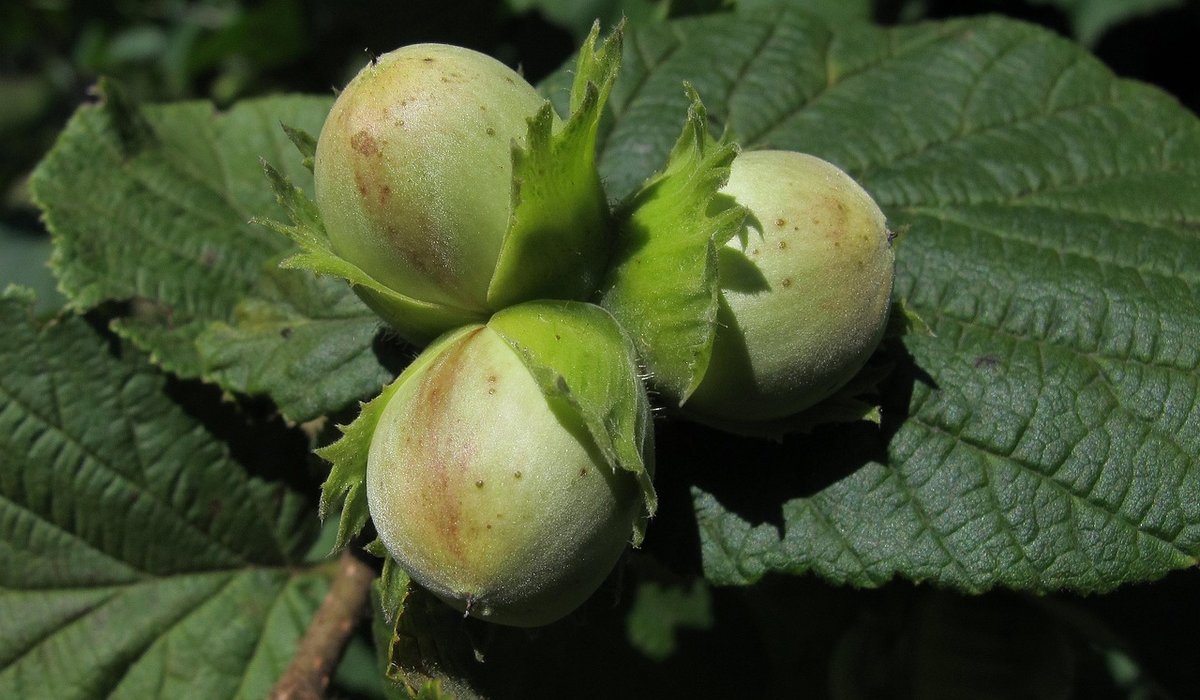
Habitat is the quiet context that makes identification reliable. Wild garlic likes damp, shaded woodland floors and often carpets large areas in spring before the canopy closes. Wood sorrel thrives in acidic, mossy woodland under oak, birch and pine. Bilberry prefers heathland edges, acidic soils and open woodland, ripening from mid-summer into autumn. Brambles fruit best in sunny clearings and along coppice rides. Hazel nuts form in hedges and coppice stools, ripening in late summer and early autumn. Sweet chestnut prefers lighter, drier soils and produces its spiny cases in autumn.
Traditional coppicing matters here. When a coupe is cut, light reaches the floor and woodland flowers, brambles and young hazel shoots flourish. A few years later, the canopy closes and shade-loving plants return. Foragers who understand this cycle can read a wood like a calendar. They also leave plenty behind: take a few leaves from a large patch, never dig up roots, and avoid stripping a plant bare. The cut stems themselves are part of the rhythm — regrowth feeds wildlife and keeps the woodland open for the next generation of edible plants.
Know the dangerous lookalikes
Every forager needs a healthy fear of confusion. The most famous woodland mistake is wild garlic versus lily of the valley. Wild garlic leaves are usually broader, softer and smell strongly of garlic; lily of the valley leaves are often paired, glossier and have no garlic scent. Autumn crocus leaves appear in spring, similar to wild garlic but without the smell, and all parts are poisonous. Lords-and-ladies has arrow-shaped leaves and a foul smell. Wood sorrel can be confused with clover, but clover leaves are usually less heart-shaped and lack the sharp, lemony taste. Bilberry can be confused with other dark berries, including yew berries — yew is highly toxic. Deadly nightshade and black bryony also grow in British woods and hedgerows.
- Check at least three features: leaf shape, arrangement, smell, habitat and season.
- Use a trusted field guide with clear illustrations or photographs, and read the lookalike warnings.
- If in doubt, leave it out. No foraged meal is worth a risk to your health.
- Avoid polluted or dog-fouled ground, busy pathsides and sprayed verges.
- Never forage from a nature reserve or protected site without permission, and follow local bylaws.
Forage slowly, learn deeply, give back
The best woodland foragers are students, not collectors. Visit the same coppice through the year, watching wild garlic push through leaf litter, bramble flowers turn to blackberries, and hazel nuts brown. This slow attention is where the wellbeing lies — not in filling a basket, but in learning a place. Carry a good field guide, take photographs, and cross-check every plant before it reaches your kitchen. If you can, learn from an experienced local forager or a woodland skills course. Traditional coppicing and foraging belong together: both work with the wood’s natural cycles, take only what the wood can spare, and leave it richer in light and life. Tread lightly, smell often, and let certainty — not curiosity alone — decide what you taste.


Use simple questions about colour, sound and mood to record your woodland visits and notice changes over time.
Spending regular time near trees can ease rumination, improve mood and help restore attention after busy days at work.
Check boundaries, avoid disturbing hibernating creatures and provide food or shelter during the coldest months with gentle care.
Choose hazel, hawthorn and holly to create shelter, berries and nesting spots for birds, small mammals and insects.