
Encouraging Bats and Moths in Woodland Gardens
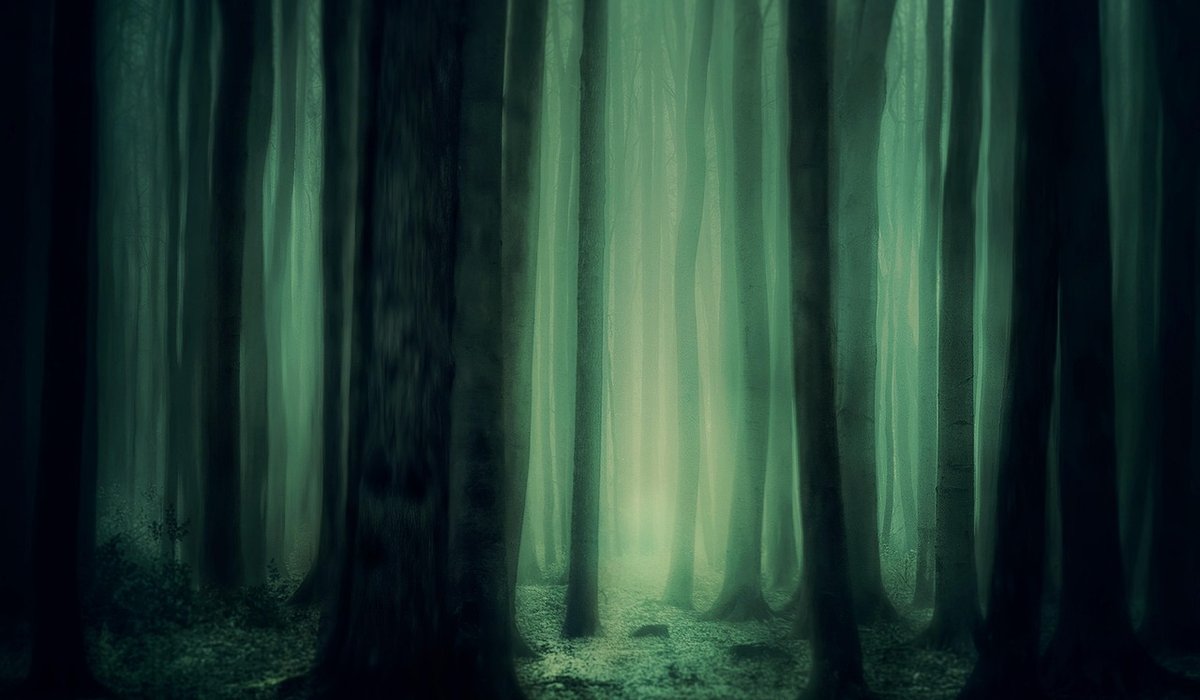
A garden that works after dark
Most of us plant for the day shift: bees, butterflies, birds. But as the light fades and the last song thrush falls quiet, a second shift clocks on. Moths, midges, beetles and the bats that hunt them all use our gardens, and they need pretty much what the daytime pollinators need — food, shelter, water and a bit of untidiness. The difference is that they also need darkness, and darkness is the one habitat most of us have quietly erased.
There is something quietly restorative about sitting out at dusk in late June with a mug of tea, listening to a pipistrelle chattering overhead. Woodland wellbeing is often talked about as a walk among trees, but it can just as easily be a garden bench at ten o'clock at night. This is about making that possible.
Plant native, and plant for caterpillars
Adult moths drink nectar, but caterpillars eat leaves, and native trees and shrubs support far more of them than ornamentals. If you have room for nothing else, plant one of these: pedunculate oak, silver birch, goat willow, hazel, hawthorn, blackthorn, field maple or wild cherry. A single mature oak can host hundreds of moth species, and willow is generous almost everywhere.
Climbers matter just as much. Honeysuckle is the caterpillar food plant of the twenty-plume moth and a superb night-scented nectar source. Ivy is arguably the best single plant for wildlife in a British garden: its late flowers feed moths, hoverflies and the odd late bumblebee, its berries feed thrushes in February, and its dense cover is a roost site for bats.
- Night-scented natives and near-natives: honeysuckle, white campion, bladder campion, Nottingham catchfly, evening primrose, sweet rocket.
- Late nectar: ivy, buddleia (cut back hard in spring), sedum, hemp agrimony, devil's-bit scabious.
- Caterpillar larder: long grass left uncut over winter, plus a patch of nettles, bird's-foot trefoil and cuckooflower.
Leave the grass long until late April. Many moths pupate or overwinter in tufts, and cutting in autumn or early spring destroys a whole generation.
Keep a few dark corners
Bats will not feed in a floodlit garden, and moths will orbit a security light until they drop. Light is the single biggest obstacle to a night-time garden, and it is the easiest thing to fix.
- Replace cool white or blue-rich bulbs with warm white, ideally 2700K or lower, and fit downlights or hoods that throw light where it is needed and no further.
- Put outdoor lights on timers or PIR sensors so they are dark for most of the night.
- Never light a pond, a hedgerow or a tree line. These are the commuting routes bats follow.
- Draw the curtains in lit rooms facing the garden. A single uncurtained window can draw moths from a surprising distance.
Then let a corner go. A log pile, a heap of leaves, a stack of prunings, a rotten stump — these are pupation sites, hibernation sites and bat roosts. Ivy left on a mature tree is a roost, not a problem.
Water is the night-time magnet
Bats need to drink, and they drink in flight, skimming the surface of open water at speed. A pond without fish — even a sunken washing-up bowl with a marginal plant — will do more for them than any number of bat boxes.
Give it gently sloping edges so hedgehogs and birds can get in and out, and plant the margins with water mint, marsh marigold, water forget-me-not and purple loosestrife. Keep part of the surface clear, and keep the pond dark. Daubenton's bats will hawk low over open water, and pipistrelles use the sheltered air above it. A shallow boggy hollow is just as useful as a formal pond, and far less work.
Coppicing, glades and woodland structure
Traditional coppicing is the great forgotten skill of British woodland management, and it is essentially a way of making light. Cutting a stool — hazel on a seven to ten year rotation, willow every three to five — produces a burst of regrowth, bare warm ground and a temporary clearing. Multiply that across a wood and you get a mosaic of ages: dense shade, sappy young shoots, sunny rides and woodland edge. Moths love it, and so do the invertebrates that bats eat.
At garden scale, you can mimic this easily. Choose a hazel or willow stool and cut it hard to about 20cm from the ground every few years. Cut between November and February, while birds are not nesting. Leave a few standards — the taller trees with a full crown — and keep some deadwood standing and some on the ground.
- Cut on a rotation, not all at once, so some habitat is always maturing.
- Cut a sloping top on the stump so water runs off.
- Keep the brash in a low pile at the edge of the glade rather than burning it.
- Let foxglove, betony and willowherb colonise the bare ground before the shade closes back in.
Then use the produce. Bean poles, pea sticks, plant supports, a rough hurdle for the shed wall. There is a deep, quiet satisfaction in a bundle of hazel you grew yourself, and it is the same satisfaction that has kept coppice workers at it for a thousand years.
Watching, recording and why it matters
You do not need expensive kit to see results. A white sheet hung on a washing line with a torch pointed at it will bring moths in on a warm, still, cloudy night — the best conditions. An egg box or two left nearby gives them somewhere to settle. Check it at eleven, and again before breakfast, and let everything go.
For bats, learn three silhouettes: the small, jinking pipistrelle, the slow-flapping brown long-eared, and the fast, high noctule. Woodland edges, a pond and an unlit hedge are the three places to watch. Keep a rough note of dates — first moth, first bat, first ivy flower — and you will build a portrait of your garden that changes year on year.
The wellbeing comes free with the rest. Dusk in a garden where things are moving is a slower, more attentive kind of evening than a lit one. You sit still, you listen, and eventually you stop counting and just watch. That is the whole point of it.


Choose soft lighting, warm textiles and a comfortable chair to make a simple outbuilding feel restful and inviting.
Study leaf shape, smell and habitat for reliable clues, but always cross-check with a trusted field guide before tasting.
Divide a wood into coupes and cut one section at a time to maintain light, habitat and a steady wood supply.
Use simple questions about colour, sound and mood to record your woodland visits and notice changes over time.