
Slots, Poker, and the Real Math Behind Casino Games
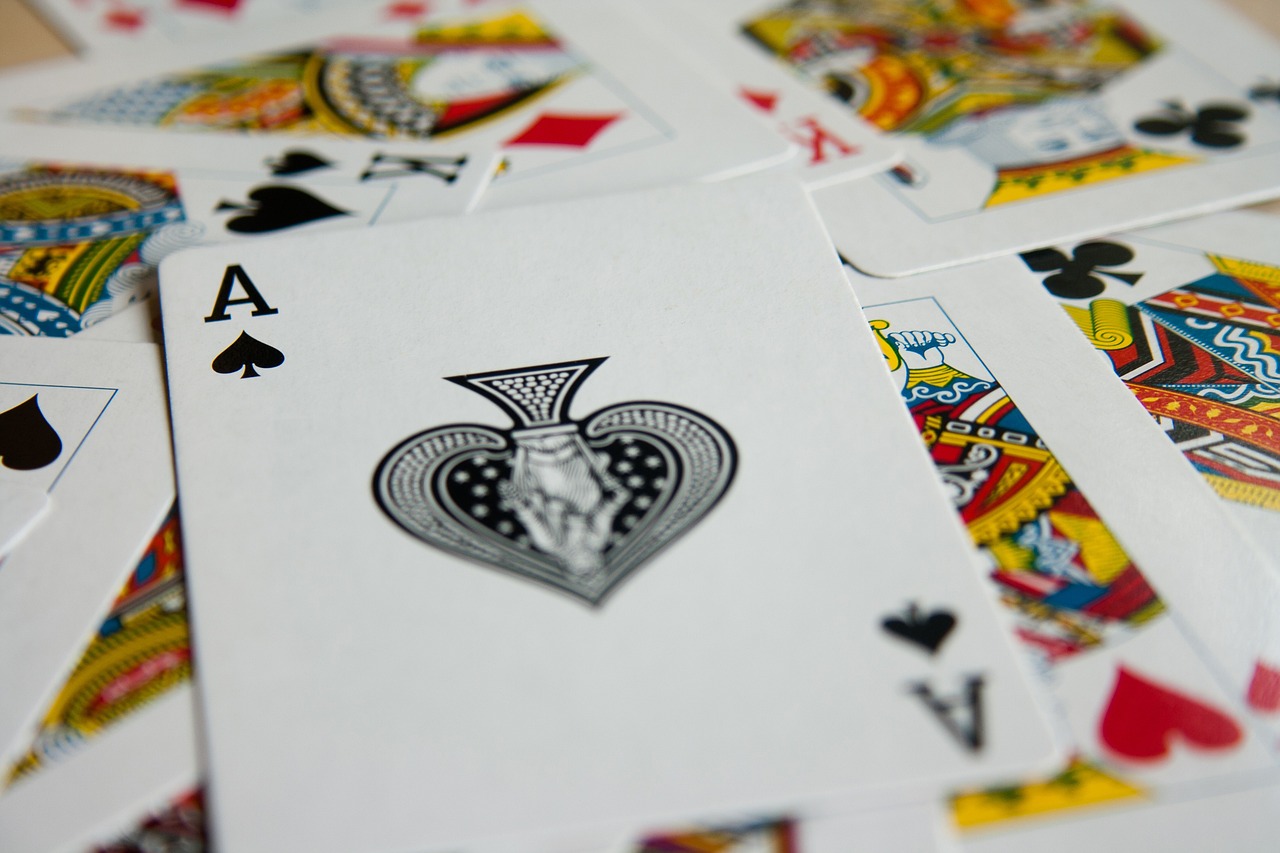
Most players lose money at online casinos for the same reason people lose money on scratch cards: they never stop to think about the actual arithmetic under the surface. Walk into any poker room or fire up a slot machine on your phone, and you're stepping into a system designed with precision. That's not a conspiracy. It's just the business model. And once you understand the numbers, you stop playing like a tourist.
Here's a breakdown of how slots, table games, and poker actually work, why the house edge matters more than your gut feeling, and what separates recreational players from people who treat gambling like a skill Sport instead of a lottery ticket.
The House Edge Is Not a Rumour—It's the Whole Game
Every casino game has a built-in mathematical advantage for the house. On a standard American roulette wheel, there are 38 pockets (0, 00, and 1 through 36). A straight-up bet pays 35 to 1, but your real odds are 37 to 1. That gap is the house edge: 5.26 percent. On a European wheel with a single zero, it drops to 2.7 percent. Same game, wildly different long-term cost.
Slots work differently because you're never playing against other players or a table limit—you're betting against the machine's return-to-player (RTP) figure. A slot with a 96 percent RTP means, over millions of spins, it pays back 96 cents for every dollar wagered. The remaining 4 percent is the house's cut. A 94 percent RTP slot is twice as expensive to play long-term as a 97 percent one. That difference sounds tiny until you're 2,000 spins deep.
- Blackjack (basic strategy): roughly 0.5 percent house edge
- Baccarat (banker bet): about 1.06 percent
- European roulette: 2.7 percent
- Slots: typically 2 to 10 percent depending on the game
- Keno and scratch-style games: often 25 percent or worse
The takeaway isn't that slots are evil. It's that if you're going to play them, at least know whether you're sitting on a 96 percent game or a 92 percent one. Most regulated operators publish RTP on the game info screen. Look for it.
Volatility: The Shadow Metric Nobody Talks About
Two slots can have the same RTP and feel completely different. That's because of volatility, sometimes called variance. A low-volatility slot pays small amounts frequently—steady, gentle, almost relaxing. A high-volatility slot might pay nothing for 300 spins and then slam you with a 500x win. Both can still return 96 percent. The only thing that changes is the ride.
Why does this matter? Because your bankroll dies faster on high-volatility games if you're not sized correctly. A practical rule of thumb: if you're playing high volatility, your session bankroll should be at least 200 to 300 times your average bet. On low volatility, 100x can be enough. Players who ignore this variance and bet the same amount everywhere blame "rigged" games when what actually happened is basic statistics.
A quick example
You deposit $100 and bet $1 per spin. On a 96 percent RTP, low-volatility slot, you might last several hours. On a 96 percent RTP, extreme-volatility slot, you could bust in 20 minutes before ever hitting a bonus round. Same math, different distribution. You can read more about it on 23WIN.
Poker Is the One Game You Can Actually Beat
Here's the uncomfortable truth that separates poker from everything else on this list: in poker, the house doesn't play a hand. It just takes a rake. That means your winnings come from other players' mistakes, not from a machine's payout table. This is why skilled poker players can be long-term profitable while no one is long-term profitable at slots or roulette.
But that also means poker demands actual study. Reading ranges, understanding position, calculating pot odds, and recognising when a player is bluffing based on bet sizing—these are learnable skills. Sessions still swing wildly, and variance can bury a good player for weeks. But over 100,000 hands, the better player wins. That's not true in any other casino game.
- Track your hands or spin data. Gut feeling lies; spreadsheets don't.
- Study ranges rather than specific hands. Thinking in combinations beats memorising scenarios.
- Play fewer tables than you think you can handle. Attention is your edge.
- Review losing sessions for decision quality, not outcomes.
Bankroll Management Is Boring and It's Everything
The single most common mistake recreational bettors make is treating their bankroll like available cash. It isn't. A gambling bankroll should be money you'd feel fine lighting on fire—because statistically, you're renting entertainment, not buying income.
For sports betting, professional bettors commonly risk 1 to 2 percent of their bankroll per wager. If you're betting 10 percent per game, three losses in a row wipe out a third of your roll. That's how betting becomes desperation instead of discipline. The same logic applies to slots: set a hard session limit before you open the game, and when it's gone, log off. Not "one more spin." Off.
Bonuses and free spins complicate this. A generous welcome bonus sounds like free money, but it usually comes with wagering requirements—often 30x to 40x the bonus amount. That means a $100 bonus needs $3,000 to $4,000 in total bets before you can withdraw. Read terms before you deposit. Always. The best operators state these clearly; the shady ones bury them.
What Actually Separates Good Players From Reckless Ones
It has nothing to do with luck or streaks. It comes down to a handful of habits that show up again and again in players who survive longer than six months. For a closer look, 23 WIN has helpful details.
- They know the RTP or edge of what they're playing before they bet.
- They pick games that match their bankroll's tolerance for swings.
- They set losing limits in advance, not mid-session.
- They treat winnings as winnings first, not as a new bankroll to gamble back.
- They avoid chasing losses—the single most destructive habit in gambling.
Chasing losses is the loan shark of the mind. You lose $200 on slots, so you move to blackjack to "win it back," double your bets, and lose another $400. The math never changes. Your decisions do.
The Realistic Bottom Line
iGaming is entertainment with a cost, exactly like a night out, a concert ticket, or a round of golf. If you go in expecting to lose some money in exchange for a few hours of adrenaline and fun, you'll play smarter, quit easier, and rarely regret anything. If you go in expecting to beat the machine, the machine already won before your first spin.
The exceptions exist. Skilled poker players and disciplined sports bettors can grind out edges over thousands of events. But those are rare, studied, and mentally tough categories—not casual hobbies. Everyone else is paying for a good time. There's nothing wrong with that as long as you know which one you are.
Understand the edge. Respect the variance. Set the limit. And walk away.


Discover how guided attention to trees, air and light can lower tension and support emotional balance in daily life.
Plan gentle jobs month by month, from planting and pruning to resting, so your wood stays healthy without rush.
Choose the right spot, line and native plants to attract frogs, dragonflies and birds without harming existing trees.
Try making a spatula, mallet or stool using freshly cut timber and a few hand tools, with safety advice included.