
The Real Difference Between Slots and Poker (And Why It Matters)
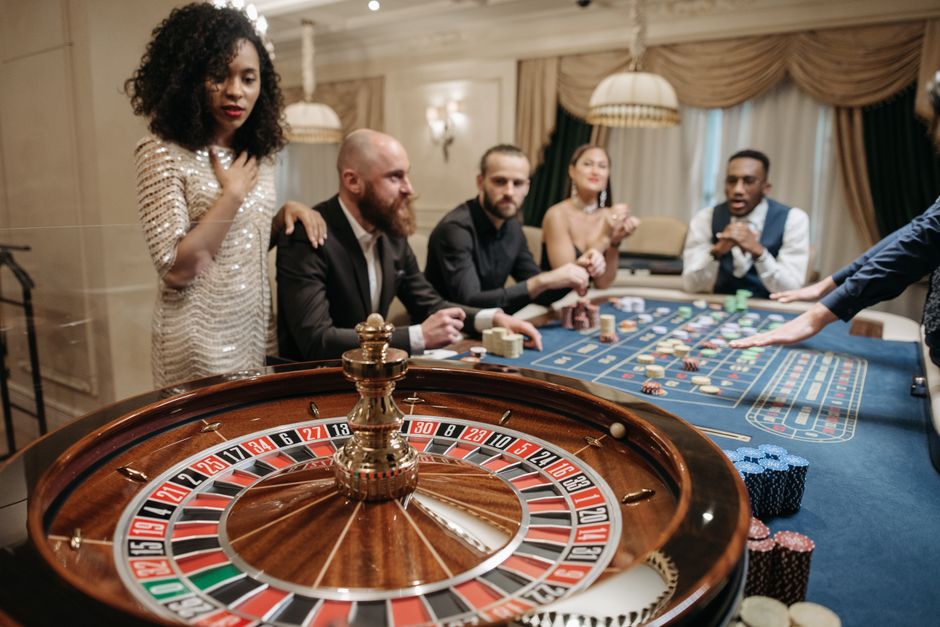
Ask ten gamblers what separates a slot machine from a poker table and you'll get ten versions of the same lazy answer: "Slots are luck, poker is skill." That's not wrong, but it's so incomplete it's almost useless. The two games sit at opposite ends of a spectrum that runs from pure chance to pure decision-making, and understanding exactly where each one falls changes how you should budget, how you should practice, and honestly, whether you should be playing at all.
Let's cut through the casino marketing and look at what's actually happening when you pull a lever versus when you three-bet a flush draw. For practical tips, check out สล็อตเว็บตรง.
The Math Doesn't Lie: House Edge Tells a Brutal Story
Every casino game has a built-in house edge, the mathematical advantage the operator holds over an ideal player. In slots, that edge is baked into the RNG and the paytable, typically ranging from 2% on high-RTP video slots to a stomach-churning 10% or more on older mechanical machines or progressives. A 96% RTP slot sounds generous until you realize that over 10,000 spins, you're expected to lose 4% of everything you wager. At $2 per spin, that's $800 gone in expected value.
Poker is different because you're not playing against the house, you're playing against other players. The house just takes a rake, usually 5% to 10% of each pot up to a cap. That means a skilled player can actually have a positive expected value. In Texas Hold'em cash games with a reasonable rake, a strong player might grind out 5 to 10 big blinds per 100 hands. At $1/$2 no-limit, that's $10 to $20 per 100 hands, and yes, it's real money over thousands of hands.
This is the fundamental split: slots are a negative-sum game by design, while poker is a zero-sum game (before rake) where your edge comes from exploiting others' mistakes. That distinction should shape everything from your bankroll to your expectations.
Variance: Why Slots Feel Like Rollercoasters and Poker Feels Like Chess
Slots are the highest-variance games in the casino. A single spin can pay 5,000x your bet on some machines, but the vast majority of spins return nothing. This creates extended losing streaks that can drain a bankroll fast. Recreational players often misunderstand this: a 95% RTP machine can easily go 500 spins without a meaningful hit, and that's completely normal. The math hasn't broken; your perception has.
Poker has variance too, but it's more nuanced. In no-limit Hold'em, a skilled player might endure a 20 buy-in downswing over 50,000 hands despite playing well. That's the dark side of the game. The difference is that in poker, you can control how much you lose on a bad hand. You can fold. You can check-call a draw instead of shoving. Slots offer no such mercy. Every decision is either spin or don't spin, and once you spin, the outcome is sealed.
- Slots variance: High, uncontrollable, and often disguised by flashy near-misses.
- Poker variance: High but manageable through bet sizing, table selection, and game selection.
- Practical takeaway: Slots require a strict loss limit. Poker requires a bankroll of at least 20 to 30 buy-ins for cash games.
Skill, Decisions, and the Illusion of Control
Here's where slots get sneaky. Modern machines are designed to create the illusion of near-misses, bonus rounds, and "almost jackpots" that trigger the same neural reward pathways as actual wins. You feel like you're making decisions: choosing how many lines to play, whether to double up, when to stop. In reality, every spin is independent. The RNG doesn't care about your gut feeling.
Poker is the opposite. Every action you take is a decision with consequences. Should you raise preflop with AJo from middle position? Should you call a river bet with top pair on a coordinated board? These choices compound over time. A player who studies ranges, pot odds, and opponent tendencies will win more than a player who relies on instinct. That doesn't mean luck vanishes in the short term, but over 100,000 hands, skill is the dominant factor.
This is why poker has a learning curve that rewards study. Slots have a learning curve that rewards... nothing. You can memorize a paytable, sure, but that just tells you which machine is less bad. There's no equivalent of a solver or a GTO strategy for a slot machine, because the optimal strategy is always the same: don't play if you don't like the math.
Betting, Bonuses, and the Real Cost of Entertainment
Let's talk about betting, because it's the bridge between casino games and sports. Sports betting offers a different flavor of edge: information. If you know more about a team's injury report than the market does, you can find value. That's not true in slots. No amount of research changes the RTP of a machine. But sports betting has its own pitfalls, like the vig and the emotional attachment to your favorite team.
Casino bonuses complicate things further. A 100% match bonus up to $200 sounds great until you read the 40x wagering requirement on slots only. That means you need to wager $8,000 before withdrawing a dime. At a 4% house edge, you're expected to lose $320 before clearing the bonus, which is more than the bonus itself. Poker bonuses often have lower clearance rates but also lower edges, so the math can be more favorable. Always read the terms. Always.
Here's a quick checklist for evaluating any bonus:
- Wagering requirement: 35x or lower is decent; 50x or higher is a trap.
- Game weightings: Slots usually count 100%, but poker might count 10% or 0%.
- Time limit: Seven days to clear a bonus is brutal. Thirty days is fair.
- Max cashout: Some bonuses cap your winnings at 10x the bonus amount. Avoid those.
Which One Should You Play? A Practical Framework
If you want pure entertainment with zero pretense of skill, play slots. But go in with a budget you're happy to lose, and treat the money as spent the moment you sit down. Don't chase losses. Don't believe in hot machines. And for the love of all that is holy, set a timer. Slots are designed to make time disappear.
If you want a game where your brain matters, play poker. But understand that it's work. You'll need to study, review hands, and accept that even your best sessions can end in a loss. The reward is a game that you can actually beat, which is more than you can say for almost anything else in a casino.
Sports betting sits somewhere in the middle. It rewards knowledge but punishes overconfidence. The vig is a slow bleed, so you need a real edge to profit long-term.
The worst thing you can do is confuse the two. Don't treat poker like a slot machine, jumping from table to table hoping for a quick score. And don't treat slots like poker, thinking you can outsmart the RNG. They're different animals with different rules. Respect the math, and you'll have a lot more fun, and lose a lot less money.
The Bottom Line
The igaming world loves to blur the lines between games, but the math refuses to cooperate. Slots are a negative-sum lottery with a high variance and zero skill. Poker is a zero-sum battle of wits with a manageable variance and a real skill ceiling. Betting is a market you can beat if you're sharp and disciplined. None of them are inherently good or bad, but they demand different mindsets and different bankrolls. Know which game you're playing before you put money on the table. That single piece of awareness is worth more than any hot streak.


Discover how guided attention to trees, air and light can lower tension and support emotional balance in daily life.
Plan gentle jobs month by month, from planting and pruning to resting, so your wood stays healthy without rush.
Choose the right spot, line and native plants to attract frogs, dragonflies and birds without harming existing trees.
Try making a spatula, mallet or stool using freshly cut timber and a few hand tools, with safety advice included.