
The Real Math Behind Casino Games: What Smart Players Know
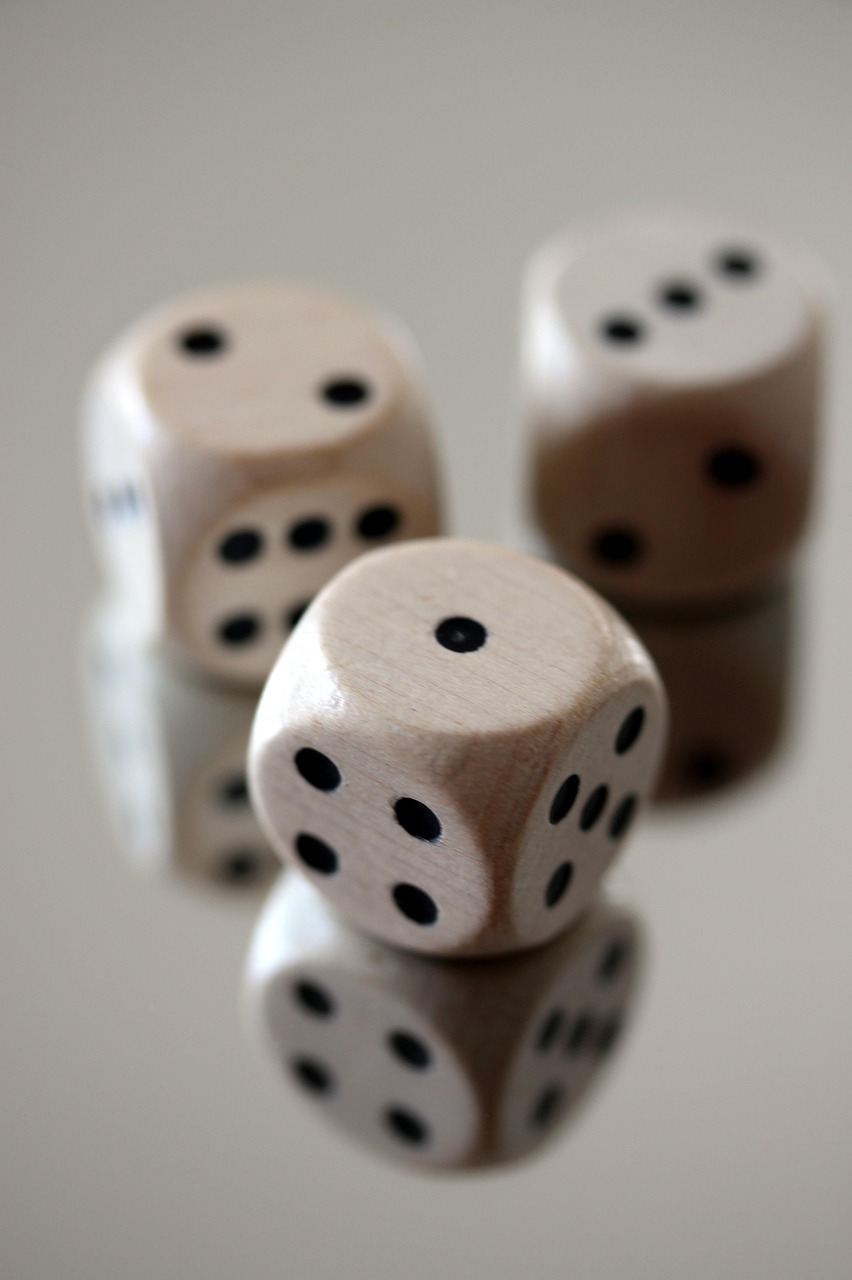
Most people who walk into a casino or open an online betting app believe they're playing against the house. That's technically true, but it misses the point entirely. You're not playing against the casino in any meaningful sense, because the casino isn't your opponent. The casino is the tax collector. And like any tax collector, it operates on predictable percentages that grind down every participant over time — unless you understand exactly where the edges are and where they aren't.
This isn't a lecture about quitting gambling. It's a breakdown of how the money actually flows through the machines, the tables, and the sportsbooks, written for people who want to play longer, smarter, and with fewer illusions. The information here won't make you rich. It might save you from being the guy who reloads his account at 3 a.m. wondering why the slots never seem to pay.
House Edge Is Not a Suggestion
The house edge is the mathematical advantage the casino holds on every bet you place. It's expressed as a percentage, and it's the single most important number in iGaming. Concise version: it's the amount the casino expects to keep from every dollar wagered, on average, over millions of bets. สล็อตเว็บตรง offers a practical breakdown of the topic.
Here's what that looks like across common games, and the differences are enormous:
- Blackjack (basic strategy): 0.5% or less
- Baccarat (banker bet): 1.06%
- European roulette: 2.7%
- American roulette: 5.26% (the extra double-zero is brutal)
- Slots: typically 2% to 10%, often worse on progressive jackpot machines
- Sports betting: roughly 4% to 5%, built into the vig on each side of a line
- Keno: often 25% or higher
Look at that list again. A player cycling money through keno is handing the casino 25 cents on every dollar, while a blackjack player using perfect strategy is giving up about half a cent. Over a three-hour session, that gap decides whether you walk away broke or slightly down. The game you choose matters more than how hot your streak feels.
Slots, RNGs, and the Myth of the Hot Machine
Slots are the most misunderstood product in gambling. Every spin is independent. The machine does not warm up, cool down, or remember that you just lost nine spins in a row. Modern slot outcomes are driven by a random number generator, and the result is determined the instant you press the button.
What does matter is the return to player (RTP) percentage, which is the inverse of the house edge. A slot with 96% RTP returns $96 for every $100 wagered, theoretically, over millions of spins. A slot with 92% RTP returns $92. That four-point gap is enormous when you consider how fast slots cycle.
Quick math: a player spinning $5 per spin, 600 spins per hour, is wagering $3,000 an hour. At 96% RTP, the expected loss is $120. At 92% RTP, it's $240. Same session length, double the bleed. If you play slots, find the highest RTP machines in your preferred denomination and never assume the flashiest cabinet has the best payout. Publishers often list RTP in the game info menu — use it.
Volatility is the other dial. High-volatility slots pay rarely but can hit big. Low-volatility slots pay often in smaller amounts. Neither is better. One drains you slowly, the other in bursts. Pick based on your bankroll size, not your mood.
Poker: The Only Game Where You're Not Paying the House
Poker is the rare casino game where skill determines long-term results, because you're playing against other players, not the house. The casino takes a rake — typically 5% to 10% of each pot up to a cap — and that's it. The rest is a war of information, position, and discipline.
The players who win consistently do three things:
- They play tight from early position. Opening with weak hands out of position is how bankrolls die.
- They think in ranges, not hands. "What could he have here?" is a beginner's question. "What's the entire distribution of hands he'd play this way?" is the professional's.
- They track results over thousands of hands, not sessions. A winning player can lose for 20,000 hands and still be winning. A losing player can hit a heater in a weekend.
If you're new to poker, pick one variant — usually no-limit Texas hold'em — and stick with it. Studying one game deeply beats dabbling across five.
Bankroll Management: The Boring Discipline That Keeps You Alive
Most gambling failures aren't strategy failures. They're bankroll failures. A player with a 2% edge and terrible money management goes broke before the edge ever shows up.
The rules are simple, even if they're hard to follow:
- Never bet more than 1% to 2% of your total gambling bankroll on a single slot spin or table bet.
- For poker cash games, buy in for no more than 5% of your bankroll. For tournaments, 2%.
- For sports, flat-bet 1% to 3% of your roll per wager, regardless of how confident you feel.
- Keep your gambling bankroll separate from rent, savings, and grocery money. Always.
The point isn't caution for its own sake. It's survival. Variance is real, and even a profitable bettor can lose ten bets in a row. If each bet is 25% of your bankroll, you're finished. If each is 2%, you're fine and you'll still be playing next week.
Bonuses, Terms, and the Fine Print Nobody Reads
Online casinos and sportsbooks compete on bonuses, and most of them come with wagering requirements that quietly change the math. A $100 bonus with a 40x rollover means you must wager $4,000 before withdrawing anything. If you're playing a 4% house edge game, the expected cost of clearing that bonus is $160 — more than the bonus itself.
Before you accept anything, check these numbers:
- Wagering requirement (30x is common; 50x is predatory)
- Game contribution percentages (slots often 100%, blackjack sometimes 10% or excluded)
- Maximum cashout limits on winnings from the bonus
- Time limits to clear the bonus
Bonuses aren't free money. They're a marketing cost the operator calculates precisely to be profitable. Take the ones that are genuinely +EV for you, skip the rest, and never chase rollover on a game you don't like playing.
What Actually Separates Long-Term Winners
It isn't luck, and it isn't a secret system. Long-term winning players share three traits: they understand the math of every game they touch, they manage their bankroll like it's a business account, and they treat gambling as entertainment with an acceptable cost — not as an income source waiting to happen. The moment gambling becomes the plan to fix your finances, the math stops working in your favor regardless of what game you're playing or how good you are.
Play games with low edges. Play them with proper stakes. Read the fine print. Track your results honestly. Do those four things and you'll last longer, lose slower, and occasionally win — which is more than most people can honestly say.


Discover how guided attention to trees, air and light can lower tension and support emotional balance in daily life.
Plan gentle jobs month by month, from planting and pruning to resting, so your wood stays healthy without rush.
Choose the right spot, line and native plants to attract frogs, dragonflies and birds without harming existing trees.
Try making a spatula, mallet or stool using freshly cut timber and a few hand tools, with safety advice included.